Public Park Signs
Public Park Signs Summary:
- Public park signs improve safety, navigation, compliance, and visitor experience.
- Effective park signage includes entrance signs, wayfinding signs, regulatory signs, safety signs, and informational displays.
- Durable, code-compliant, and ADA-accessible signage ensures long-term performance and community trust.
Public parks are community assets. From neighborhood playgrounds to large municipal recreation areas, well-designed park signage plays a critical role in safety, branding, and usability. Clear, durable signs help visitors navigate the space, understand the rules, and enjoy the park with confidence.
Below is a detailed breakdown of the most common types of signs found in public parks, and why each is essential.
1. Entrance Signs for Public Parks
Monument and Gateway Signs
The entrance sign is the park’s first impression. These signs typically feature:
- The park name
- City or county branding
- Opening hours
- Sponsorship or donor recognition
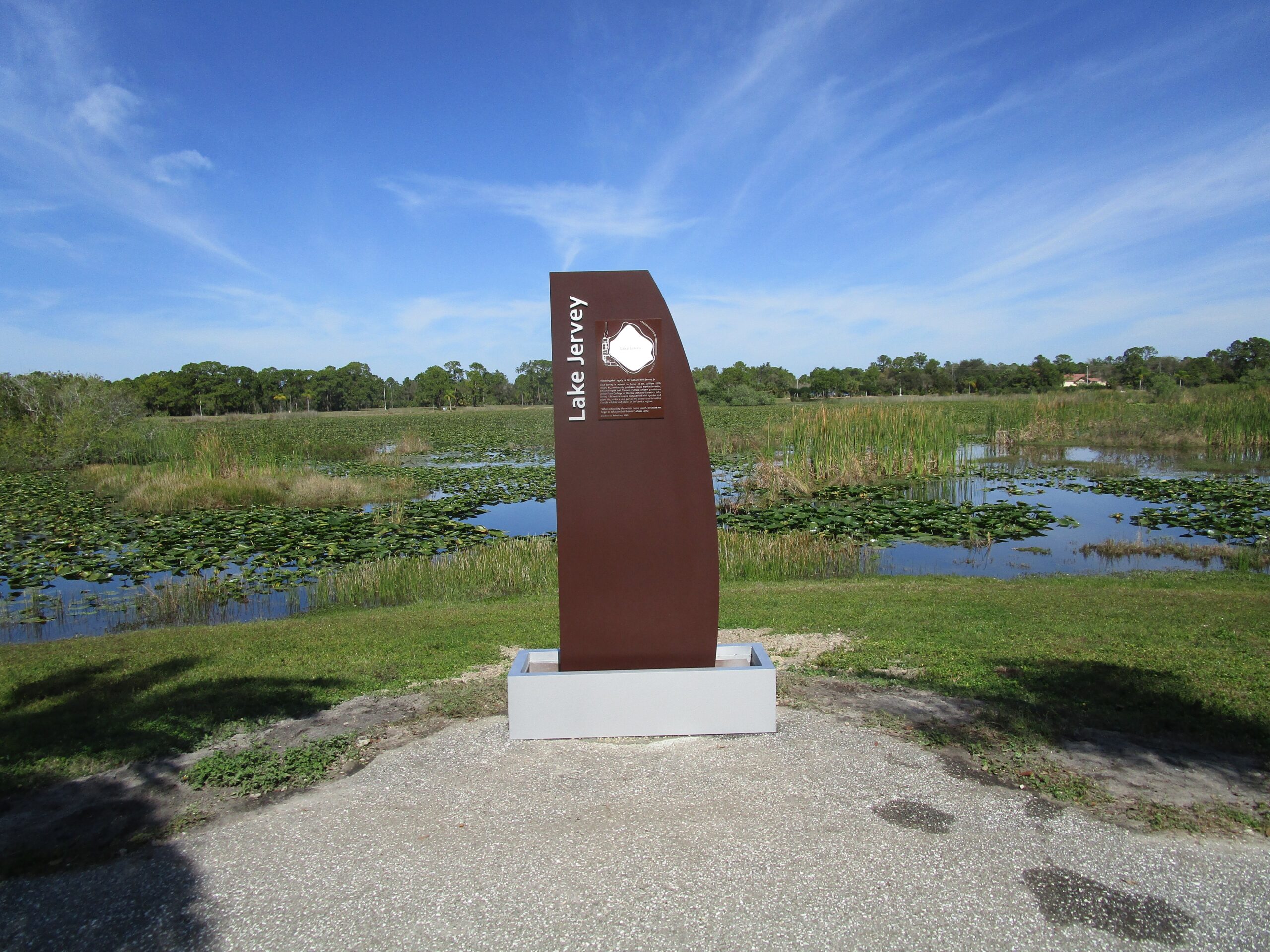
Monument-style entrance signs are often constructed with aluminum, routed HDU, masonry bases, or dimensional lettering to create a durable and attractive focal point. For municipalities, branded park entrance signage reinforces civic identity and consistency.
For examples of custom fabrication, explore our custom monument signs.
2. Wayfinding Signs and Directional Signs
Navigating the Park with Confidence
Large parks require clear wayfinding signage to guide visitors to:
- Restrooms
- Playgrounds
- Athletic fields
- Trails
- Parking areas
- Picnic shelters
Effective directional signs use high-contrast lettering, arrows, and universal symbols. Consistency in design, color palette, and typography across the signage system ensures easy navigation and ADA accessibility.
Municipalities often integrate these systems into broader wayfinding signage programs for consistency across public facilities.
3. Regulatory Signs and Park Rules Signs
Ensuring Compliance and Public Safety
Regulatory signs communicate park policies and help limit liability. Common examples include:
- Park hours
- No alcohol
- No smoking
- Pet leash requirements
- No littering
- No skateboarding in restricted areas
These signs are typically fabricated from reflective aluminum for durability and visibility. Compliance with local ordinances and MUTCD-style standards is often required for certain park environments.
Well-placed regulatory signage reduces risk and protects both visitors and municipalities.
4. Safety and Warning Signs
Protecting Visitors from Hazards
Public parks contain areas that require clear safety messaging. Examples include:
- Playground age recommendations
- “No Lifeguard on Duty” notices
- Wildlife warnings
- Emergency contact information
- Storm or lightning warnings
Safety signs must be highly visible, weather-resistant, and compliant with applicable safety standards. Clear graphics and simple language are critical.
For municipalities, investing in durable outdoor safety signage helps reduce liability exposure while improving public confidence.
5. Informational and Educational Signs
Enhancing the Visitor Experience
Informational signs enrich the park experience. These may include:
- Trail maps
- Park maps and directories
- Historical markers
- Environmental education displays
- Sponsorship recognition boards
Interpretive signage is commonly used along nature trails to explain wildlife, ecosystems, or historical significance. High-resolution graphics and UV-resistant coatings are essential for long-term readability.
Many municipalities also install custom outdoor sign systems to create cohesive park branding.
6. ADA-Compliant Signs in Public Parks
Accessibility is not optional. Public parks must include ADA-compliant signage where applicable, including:
- Tactile restroom signs
- Braille identifiers
- High-contrast directional signage
- Accessible parking signage
Compliance with ADA standards ensures inclusivity and reduces legal risk.
For compliance-driven projects, our team works closely with municipalities to deliver code-compliant solutions. Learn more about our ADA signage solutions.
Materials Used in Public Park Signs
Durability is critical for outdoor signage in Florida’s climate. Common materials include:
- Powder-coated aluminum
- High-density urethane (HDU)
- Reflective vinyl
- Laminated graphics panels
- Stainless steel hardware
These materials resist UV exposure, humidity, salt air, and heavy rainfall—ensuring long-term performance with minimal maintenance.
Why Professional Park Signage Matters
Well-designed park signage systems:
- Improve visitor safety
- Enhance navigation
- Reinforce municipal branding
- Reduce liability
- Support ADA compliance
At Florida Sign Company, we design, fabricate, and install comprehensive public park signage solutions across Florida.
Explore our full range of custom outdoor signs and municipal signage services to learn more.
Frequently Asked Questions (FAQs)
1. What types of signs are required in public parks?
Public parks typically require entrance signs, wayfinding signs, regulatory signs, safety signs, and ADA-compliant signs. Requirements vary by municipality, but clear identification, safety warnings, and rule enforcement signage are generally mandatory for compliance and liability protection.
2. What materials are best for park signage in Florida?
Powder-coated aluminum, HDU, and reflective vinyl are commonly used due to durability in high humidity, UV exposure, and coastal environments. Materials should resist corrosion, fading, and impact to ensure long-term outdoor performance.
3. Are park signs required to be ADA compliant?
Yes. Certain signage, including restroom identification and accessibility markers, must comply with ADA standards. This includes tactile lettering, Braille, appropriate mounting heights, and high-contrast designs to ensure accessibility.
4. How long do outdoor park signs typically last?
With proper materials and professional fabrication, outdoor park signs can last 7–15 years or longer, depending on environmental conditions and maintenance practices. Coastal environments may require enhanced corrosion-resistant materials.
5. Can park signage be customized with city branding?
Absolutely. Custom park signage can incorporate municipal logos, brand colors, typography, and design standards. A cohesive signage system reinforces civic identity and improves wayfinding clarity across all park facilities.
Partner with Florida Sign Company for Park Signage Solutions
If your municipality or organization needs professionally designed public park signage, our team provides end-to-end services—from concept and design to fabrication and installation.
📞 Contact Florida Sign Company today to discuss your next park signage project and ensure your public spaces are safe, accessible, and visually impactful.